
How to Make the Most of Your Patio During Cold-Weather Winters​

Living in a cold-weather climate doesn’t mean your patio has to sit unused all winter. With the right design, materials, and features, your outdoor space can remain functional, comfortable, and inviting. even during snowy Sea-to-Sky winters. From Pemberton to Whistler, homeowners are investing in patios built for year-round use.
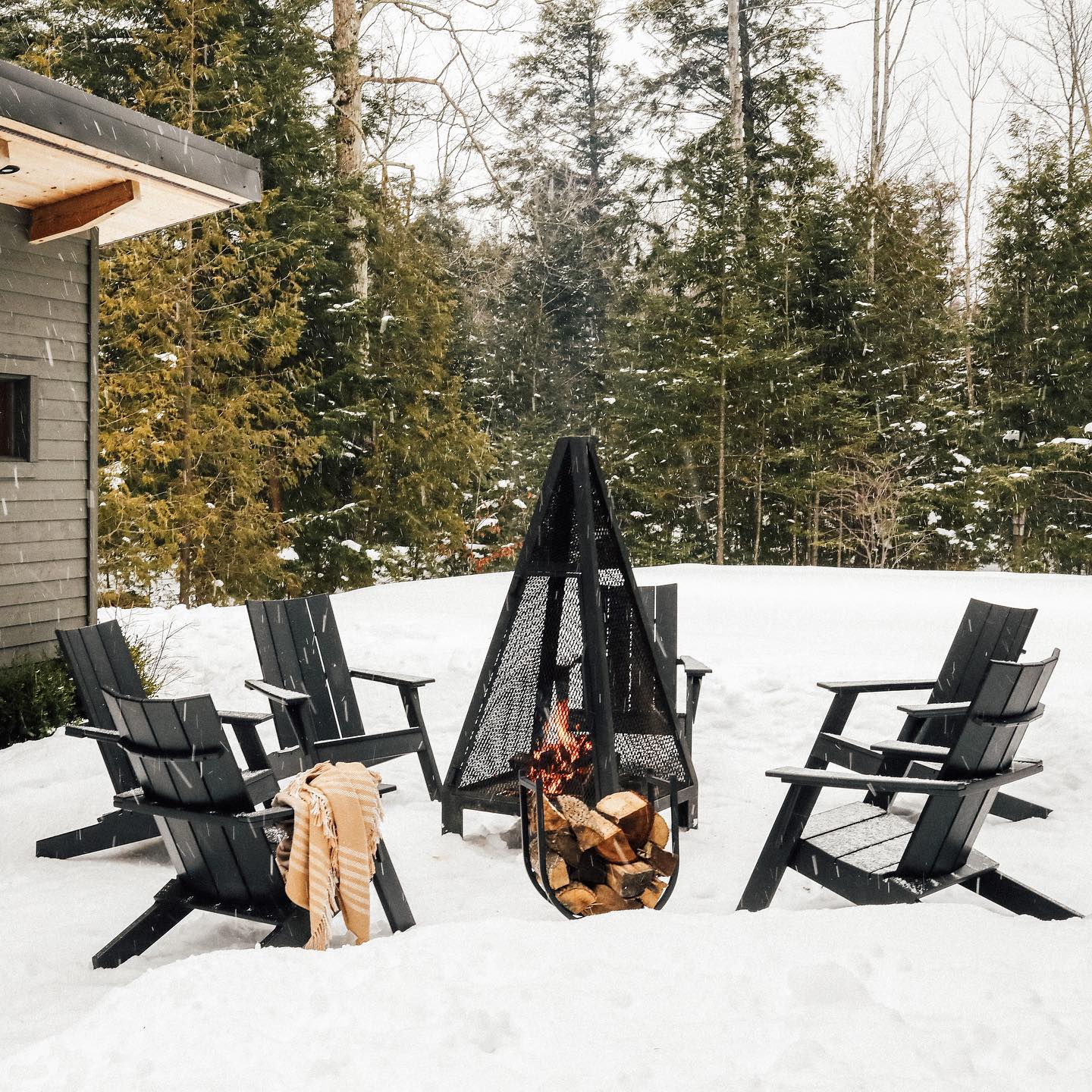
Winter Patio, Whistler BC

Choose the Right Patio Materials for Winter

In cold climates, durability is everything. Materials need to withstand freeze-thaw cycles, snow load, and moisture.

Best patio materials for winter climates include:

  • Concrete or paving stones with proper drainage

  • Natural stone rated for freeze-thaw conditions

  • Pressure-treated or cedar structures

  • Metal roofing for pergolas and patio covers

Proper installation and base preparation are key to preventing shifting and cracking over time.

Add Shelter to Extend Patio Use

Covered patios, pergolas, and lean-to structures help protect your outdoor space from snow and rain while blocking wind. You could install pergolas with metal or polycarbonate roofing, covered seating areas; wind screens or privacy walls or overhangs attached to the home. These features make patios usable even during colder months.

Incorporate Heat for Comfort

Adding heat is one of the most effective ways to enjoy your patio in winter. Winter patio heating options include built-in fire pits, outdoor fireplaces, propane or electric patio heaters and more. Heat sources create a natural gathering place and extend the outdoor season well into winter.

Use Lighting to Create Warmth and Visibility

With shorter days in winter, lighting becomes essential. Low-voltage landscape lighting, wall-mounted fixtures, and pathway lights add both safety and ambiance. Lighting also reflects off snow, creating a warm and inviting atmosphere even on dark winter evenings.

Design for Snow Management

A winter-ready patio considers how snow will accumulate and melt. Key design considerations should include proper drainage away from the home, sloped surfaces to prevent ice buildup, easy-access pathways for snow clearing, and durable edging and retaining walls. Smart design reduces maintenance and improves safety.